Women's hormonal health encompasses a vast range of conditions and life stages — from contraception in early adulthood, through the complexities of perimenopause and menopause, to the management of conditions like PCOS and endometriosis. Online women's health services have made accessing appropriate hormonal care faster and more private than ever before.
1Hormonal Contraception Online
The combined oral contraceptive pill and progesterone-only mini-pill are among the most commonly requested treatments through online women's health services. After a thorough health questionnaire — covering blood pressure, smoking history, migraine status, and current medications — a licensed physician can prescribe appropriate contraception delivered to your door.
Emergency contraception (morning-after pill) is also available through online services with same-day or next-day delivery in most US states. This has been particularly impactful in rural areas where pharmacy access is limited.
2Hormone Replacement Therapy (HRT) for Menopause
Menopause affects all women, typically occurring between ages 45 and 55, and the symptoms — hot flashes, night sweats, vaginal dryness, mood changes, and cognitive fog — can be debilitating. HRT remains the most effective treatment for menopausal symptoms and has been shown to reduce fracture risk and may offer cardiovascular benefits when started within 10 years of menopause.
Modern HRT is safer than its predecessor formulations. Body-identical hormones (estradiol and micronized progesterone) carry different risk profiles than the older synthetic hormones that gave HRT a bad reputation. An online consultation with a specialist allows for personalized HRT planning based on your symptom profile, health history, and preferences.
3Managing PCOS and Hormonal Imbalances
Polycystic ovary syndrome (PCOS) affects an estimated 10% of reproductive-age women and is the leading cause of female infertility. It's characterized by irregular periods, elevated androgens, and often insulin resistance. Management typically involves lifestyle modification, metformin for insulin resistance, oral contraceptives to regulate cycles, and anti-androgen medications for symptoms like hirsutism.
Online consultations for PCOS are appropriate for symptom management and prescription of first-line medications. Your online physician will likely recommend in-person testing (ultrasound, blood panel) for initial diagnosis, but ongoing management can be handled through telehealth.
4Weight Loss in Women: Unique Considerations
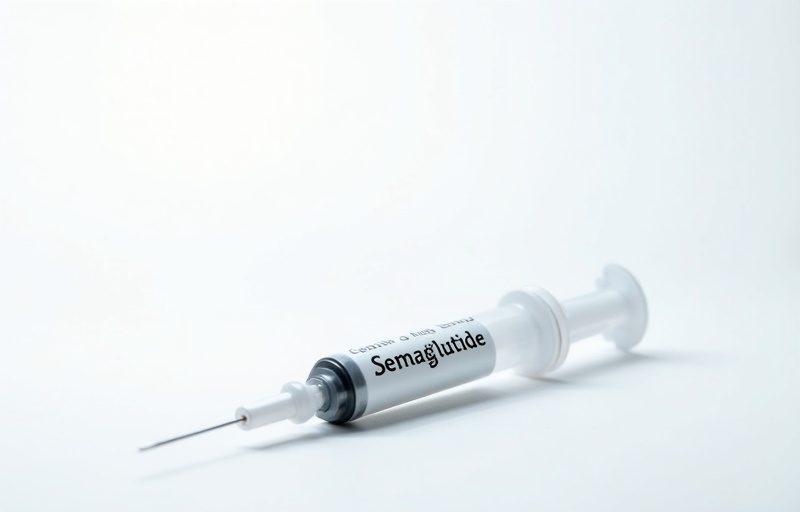
Women face distinct challenges with weight management due to hormonal fluctuations, pregnancy history, and body composition differences. GLP-1 medications like Wegovy showed particularly strong results in women in clinical trials, with some analyses showing up to 17% body weight reduction in female participants.
Women should be aware that GLP-1 medications can affect the absorption of oral contraceptives due to slowed gastric emptying. During dose escalation phases, additional contraception may be advised. Your physician will discuss this during your consultation.
Hormonal treatments require physician oversight. This article is for informational purposes only. Always consult a licensed women's health specialist before starting hormonal therapy.